
The Cost of Peace: How Trump Just Handed Europe the Frontline
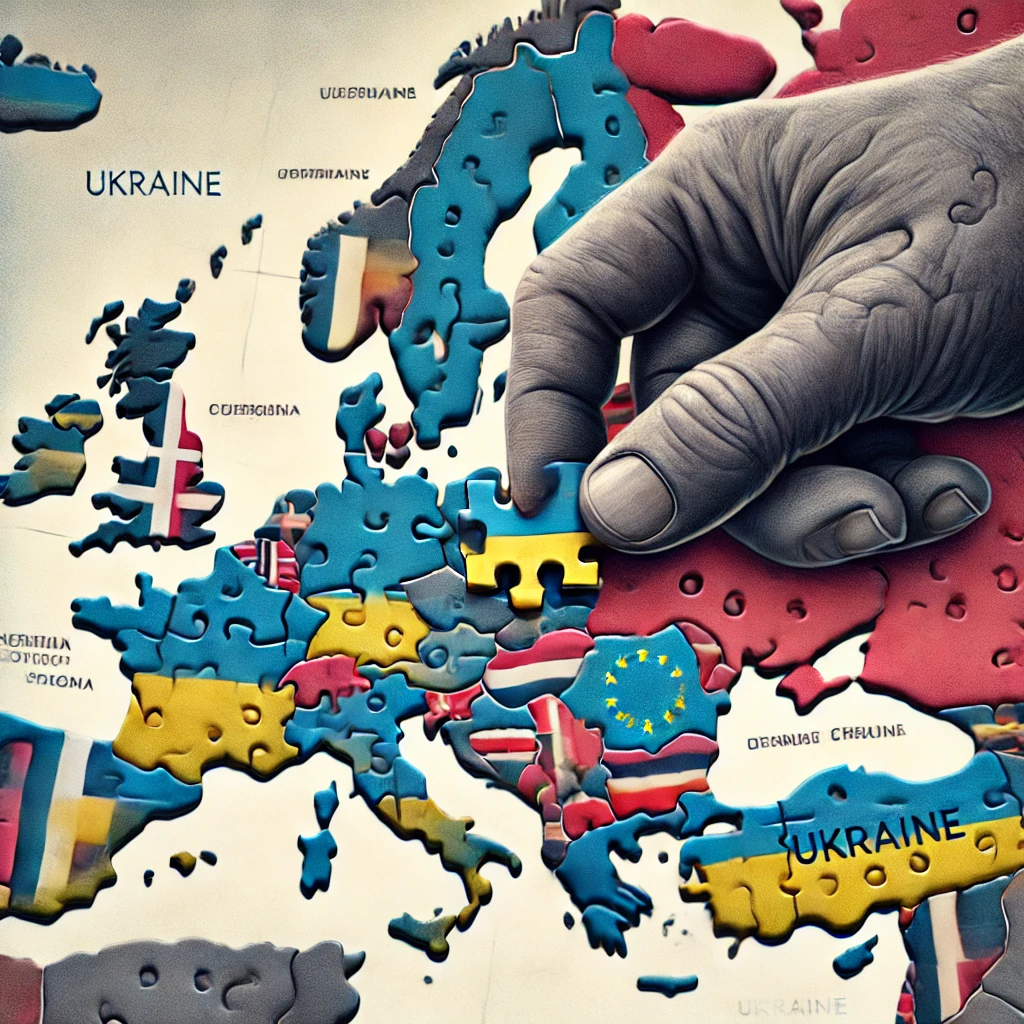
Europe has been quietly preparing for a moment they hoped would never come. Government briefings, emergency drills, and hushed conversations behind closed doors have revolved around one terrifying question: What happens when the war finally comes to us?
Now, it seems, they have their answer. Not because of Russia’s next aggressive maneuver, but because of a single meeting at the White House—where Donald Trump, in his infinite strategic genius, all but handed the keys to the frontline over to Europe.
Ah yes, peace. That noble, shimmering ideal repeated no fewer than a dozen times during Emmanuel Macron’s visit, as if saying it enough times might magically manifest it into existence. The word rolled off tongues like a charm against the dark reality lurking beneath: Peacekeeping. But whose peacekeepers, exactly? Well, that’s easy—Europe’s, of course.
A Gift Wrapped in Diplomacy—With a Grenade Inside
Let’s be clear: This isn’t peacekeeping—it’s war outsourcing dressed up in diplomatic lace. Trump, with his usual flair for short-sighted bravado, seems ready to strike a deal that’s less about peace and more about washing his hands of the mess entirely. The message is clear: Europe, this is your problem now. Good luck!
The irony? The very countries that have spent years warning of the creeping threat of Russian aggression—Germany, Poland, the Baltic states—are now being drafted into the role of human shields. Macron’s careful diplomatic dance might soften the blow, but the reality is brutal: European soldiers will be expected to enforce a so-called truce that hasn’t even acknowledged who the aggressor is.
Russia invades. Europe bleeds. And America? America gets to sit back and pretend it’s still the land of the free while leaving its supposed allies to pick up the body count.
The Red Line Was Always Blue and Gold
For years, Europe has warned that Russia’s war wouldn’t stop at Ukraine’s borders. Now, thanks to Trump’s reckless posturing, that fear is no longer hypothetical. The message from the White House was deafening in its emptiness: We’re aiming for peace. Just don’t ask for specifics—because acknowledging Russia as the aggressor might, you know, upset the delicate balance of pretending this isn’t already a war.
The absurdity of it all? Europe is being asked to enforce a ceasefire without the U.S. offering any substantial military backup. It’s as if someone handed you a bucket of water and asked you to put out a forest fire—oh, and by the way, the arsonist is still lighting matches.
The Price of American Indifference
What does it mean when Trump shrugs off responsibility? It means Europe gets to bear the cost—again. U.S. leadership, once a pillar of global stability, is now reduced to soundbites and empty promises. And as Europe gears up for the inevitable—training troops, reinforcing borders, and preparing for the bloodshed they’ve long feared—America watches from the sidelines, draped in the illusion of neutrality.
Let’s not mince words: If European peacekeepers are sent into Ukraine, this will not be peacekeeping—it will be war. It will be soldiers standing between a volatile aggressor and a fragile, exhausted nation. And all the diplomatic niceties in the world won’t stop the bullets from flying.
The War Europe Never Asked For
There’s a sickening irony in watching Trump, the self-proclaimed dealmaker, broker a “peace” that may very well drag Europe into a full-blown war. For years, European leaders have warned their citizens about what might happen if the conflict spilled over. They’ve prepared for economic fallout, refugee crises, and the grim possibility of direct military engagement.
Now, it seems, that grim possibility is knocking on the door—not because of Russian might, but because of American cowardice dressed up as pragmatism.
A Final Thought—When Peace Becomes Surrender
So here we are. Europe on the brink, not because they lost the war, but because they were abandoned by their so-called ally in the name of peace. A peace without accountability. A peace without justice. A peace that demands sacrifice from everyone—except those who caused the problem in the first place.
And as European soldiers prepare to bleed for a truce that was never truly theirs to broker, perhaps the world should ask:
When the cost of peace is paid in blood, is it really peace at all?