
Elon’s DOGE: The Digital Trojan Horse of Effectiveness
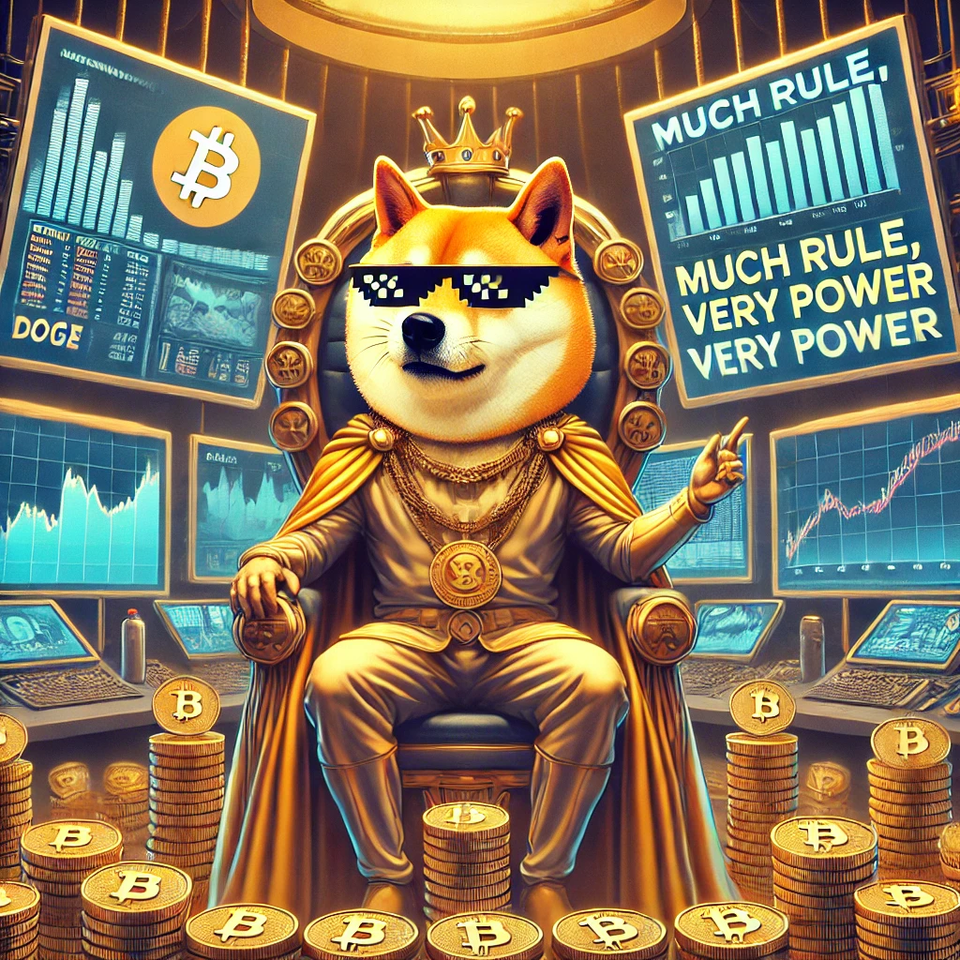
Elon Musk’s Digital Coup: The Dangerous Expansion of DOGE into Federal Systems
In a stunning and deeply unsettling turn of events, Elon Musk’s Department of Government Efficiency (DOGE) has secured sweeping access to 14 federal agencies, including the U.S. Treasury Department’s payment systems, which process over $6 trillion annually. This unprecedented reach into the government’s financial and data infrastructure, initially claimed to be “read-only,” raises profound concerns about privacy violations, financial disruption, and the unchecked power of a billionaire with an openly antagonistic stance toward regulatory oversight.
The implications are staggering: What information has been accessed? How might it be used? And most importantly, who is truly in control of the United States’ financial arteries?
The Trojan Horse of “Efficiency”
DOGE was introduced under the guise of cutting government “waste” and making systems “more efficient.” But efficiency, in the wrong hands, can mean rapid consolidation of power. By centralizing access to federal data under Musk’s orbit, DOGE has positioned itself above traditional government oversight, operating in a murky legal gray zone where neither Congress nor independent regulators seem to have a clear understanding of what is happening behind the scenes.
For a government agency to gain this level of unfettered access, it would require extensive congressional hearings, national security clearances, and legal oversight. Yet Musk has bypassed every one of these safeguards, installing DOGE as a de facto financial and data watchdog. The result? The very foundation of financial stability and citizen privacy is now vulnerable to corporate capture.
What’s at Stake? The Dangers of DOGE’s Access
1. The End of Financial Security?
At the heart of this scandal lies the question of who controls America’s financial infrastructure. Treasury systems handle everything from Social Security payments to IRS refunds, military paychecks, and emergency relief funds.
Musk now has the power to monitor, slow down, or even halt critical payments. This is not a hypothetical risk. We have already seen Musk manipulate public utilities for personal and political gain—such as when he denied Ukraine access to Starlink at a crucial moment in their defense against Russia. If a billionaire can unilaterally decide which countries receive internet access, why wouldn’t he do the same with federal payments?
With DOGE’s reach into Treasury systems, Musk could, with a simple directive, decide who gets their tax refund first, whose Social Security payments are delayed, or even subtly adjust transaction processes to favor or punish certain states, organizations, or individuals.
This isn’t just a conspiracy theory. The mechanisms are already in place.
2. A Surveillance State Run by a Billionaire
Government databases contain an unimaginable wealth of personal data—from Social Security numbers to financial histories, health records, and even biometric data. Under normal circumstances, accessing this information requires strict compliance with the Privacy Act and other federal laws. But DOGE’s sudden, unchecked authority sidesteps these protections, placing millions of Americans at risk of mass-scale privacy violations.
If Musk or his allies choose to exploit this data, they could:
• Sell personal information to private firms (or foreign entities) under the guise of “efficiency partnerships.”
• Use AI-driven profiling to categorize citizens for creditworthiness, employment eligibility, or even political loyalty.
• Blacklist individuals or groups from government assistance programs based on private algorithms Musk refuses to disclose.
3. The Destruction of Government Credibility
Imagine waking up to find your Social Security check delayed—or worse, “audited” by an AI system Musk controls. Imagine applying for a small business loan only to discover that, according to some opaque system, you no longer qualify.
If faith in the impartiality of government systems is destroyed, what replaces it? The moment Americans suspect their access to benefits, refunds, and legal records is subject to the whims of a private billionaire, confidence in the very concept of governance erodes.
At that point, does the U.S. government even function as a democracy—or has it quietly become an extension of a corporate empire?
Legal Battles and The Fight for Oversight
The gravity of the situation has sparked lawsuits, congressional investigations, and international alarm. Privacy watchdogs and legal experts warn that DOGE’s access to Treasury systems violates multiple federal laws, including:
• The Privacy Act of 1974 (which restricts government agencies from sharing private data without consent).
• The Federal Records Act (which ensures government documents remain under public—not corporate—control).
• The Anti-Deficiency Act (which prohibits unauthorized use of federal funds, a potential violation if DOGE’s actions affect disbursements).
A federal judge has already issued a preliminary injunction, barring DOGE from further accessing Treasury databases and demanding an immediate audit of what data has been obtained. However, the legal battle is far from over, and Musk—armed with unlimited legal resources—is likely to drag the process out for years, all while continuing to shape government systems in his favor.
What Must Be Done?
1. Immediate Congressional Hearings on DOGE’s Role
Congress must move beyond symbolic outrage and demand full transparency on what DOGE has accessed, altered, or withheld. Lawmakers should subpoena Musk and top DOGE officials under oath, forcing them to answer critical questions about data security, financial integrity, and government accountability.
2. Reaffirm Legal Protections Against Corporate Overreach
Legislation must be passed to explicitly prohibit private entities from gaining unchecked access to critical government infrastructure. If Musk can do this, what stops Amazon, Google, or another tech oligarch from privatizing entire sectors of government next?
3. Independent Audits and Data Reclamation
A third-party forensic audit must examine every digital footprint DOGE has left inside federal systems. If any data was copied, transferred, or modified, the responsible parties must be held accountable immediately—before that information is sold, exploited, or weaponized.
The Final Warning: A Coup Without a Single Shot Fired
This is not just about Elon Musk. This is about the privatization of government itself—an experiment in whether a billionaire can seize control of the state’s core functions under the guise of efficiency.
We have seen dictators seize power by force. But what if the next coup doesn’t require tanks or soldiers, but simply the right login credentials?
What is happening now is a silent, digital coup. And if it succeeds, the question isn’t whether Musk will abuse his power—it’s who will stop him when he inevitably does.